NextGComm · April 23, 2026
Deutsche Telekom is in early-stage discussions to consolidate its majority stake in T-Mobile US into a full transatlantic merger, a move that would create one of the world's largest integrated telecoms groups and rank among the biggest public-market combinations on record, according to two people with direct knowledge of the matter.
The German operator already controls 53 per cent of T-Mobile US. A full combination would eliminate the listed minority and bring the American business onto Telekom's balance sheet outright. Experts calling it a structural simplification the group has long flagged as a strategic priority.
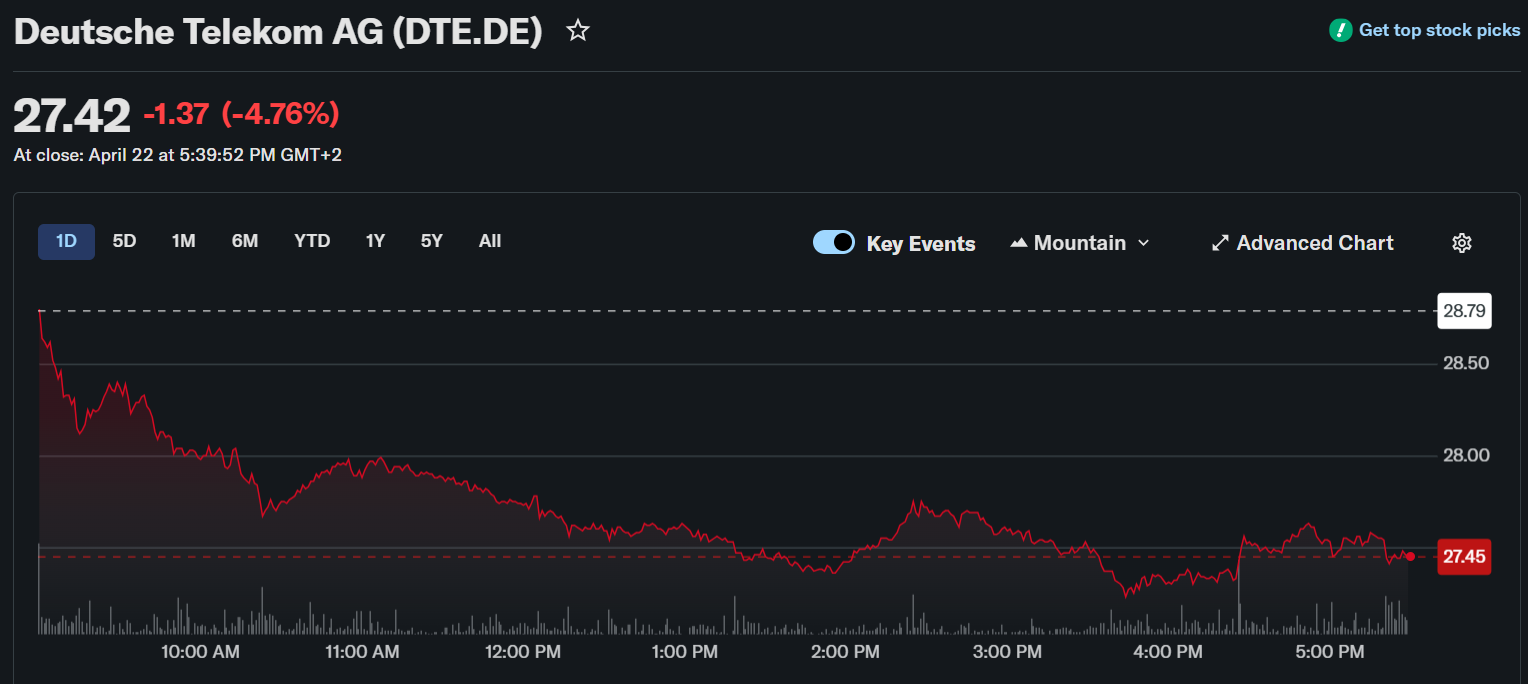
Markets reacted with unease. Deutsche Telekom shares fell roughly 5 per cent in Frankfurt trading on Wednesday following reports of the talks, first disclosed by Bloomberg.
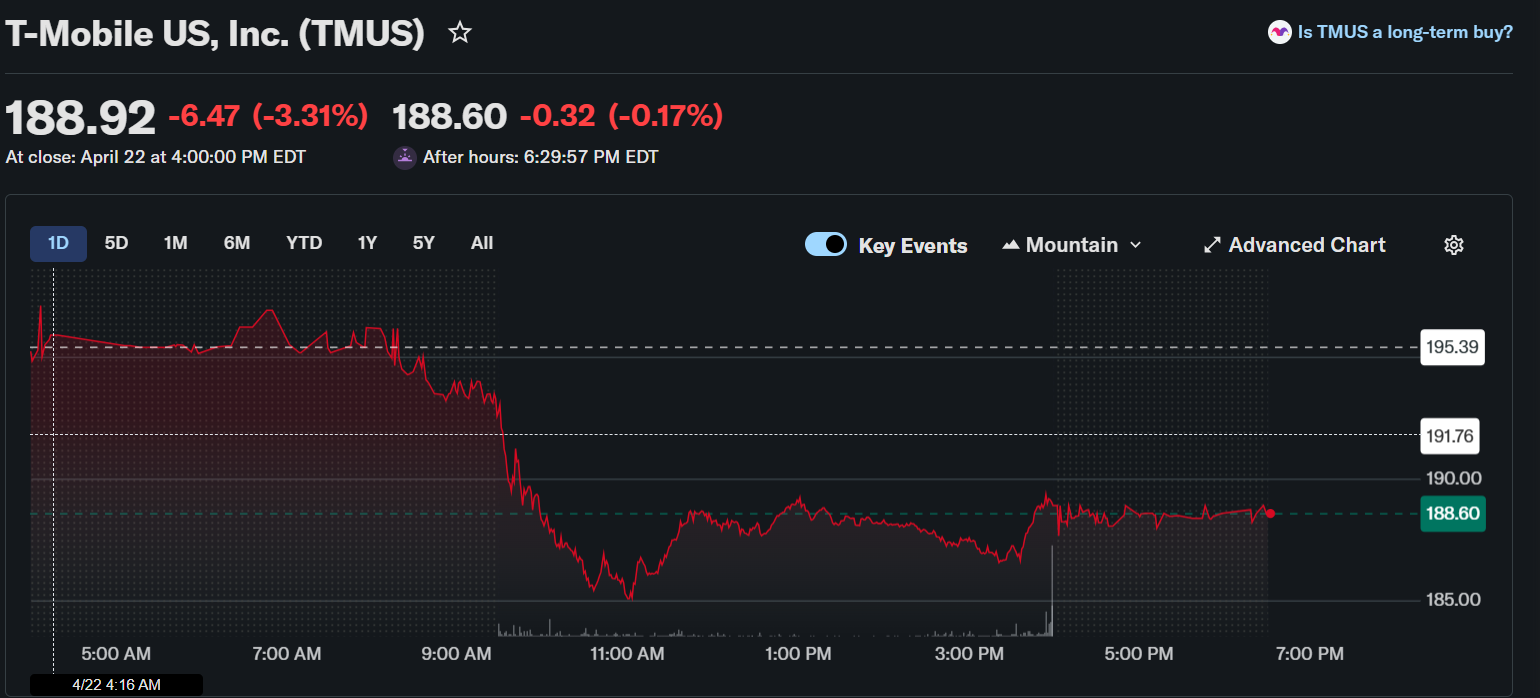
T-Mobile US shares declined approximately 3.5 per cent in New York by mid-afternoon — a classic deal-premium compression in the acquirer alongside uncertainty in the target.
The proposed merger represents a strategic bet on consolidation as a remedy for structural stagnation in the global telecoms sector. Yet the path to completion runs through a thicket of regulatory, geopolitical, and ownership constraints — each capable of derailing or reshaping the deal.
German state ownership is the first structural constraint. The German government and state-lender KfW together hold approximately 28% of Deutsche Telekom, just above the threshold historically treated as a floor for strategic national assets. A full merger at current valuations would dilute that stake to 17–18% which are meaningfully below the ~25% level German authorities have previously signaled as a trigger for heightened scrutiny. Berlin's blessing is not optional; it is a prerequisite.
U.S. regulatory exposure is real but likely manageable. Deutsche Telekom's existing majority stake in T-Mobile substantially narrows the antitrust surface area where a full merger adds control, not a new entrant. Policy analysts at New Street Research assess that while the transaction would trigger antitrust, national security, and FCC reviews, none is likely to produce a blocking outcome on technical grounds alone.
The more consequential risk is political. Regulatory processes hand the Trump administration's gatekeepers — including FCC Chairman Brendan Carr — structured leverage to extract concessions on unrelated policy priorities. In the current diplomatic climate, with U.S.–Germany relations strained by tariff disputes and diverging positions on the Iran conflict, that leverage is unlikely to go unused.